Why Crucible
Heat. Pressure. Output.

A founder, an idea, a few people and a few hard convictions. Gathered and loaded in, not yet anything — and then the fire comes on.
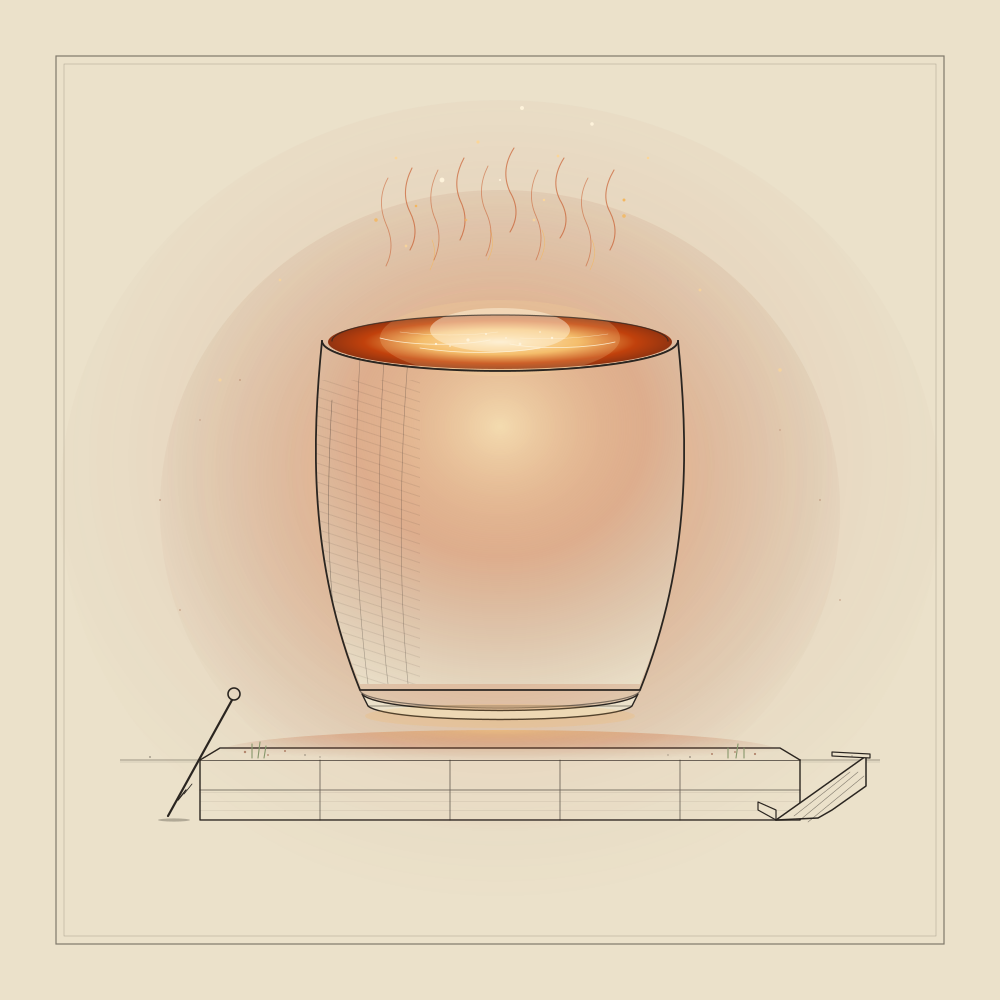
Extreme pressure. The build. Ideas and people fuse; what cannot survive the burn falls away. This is where most of the journey actually happens.

A company that didn't exist before. Forged from raw material under heat and pressure, set into a clear new shape — still warm.
The name
Why we're called Crucible
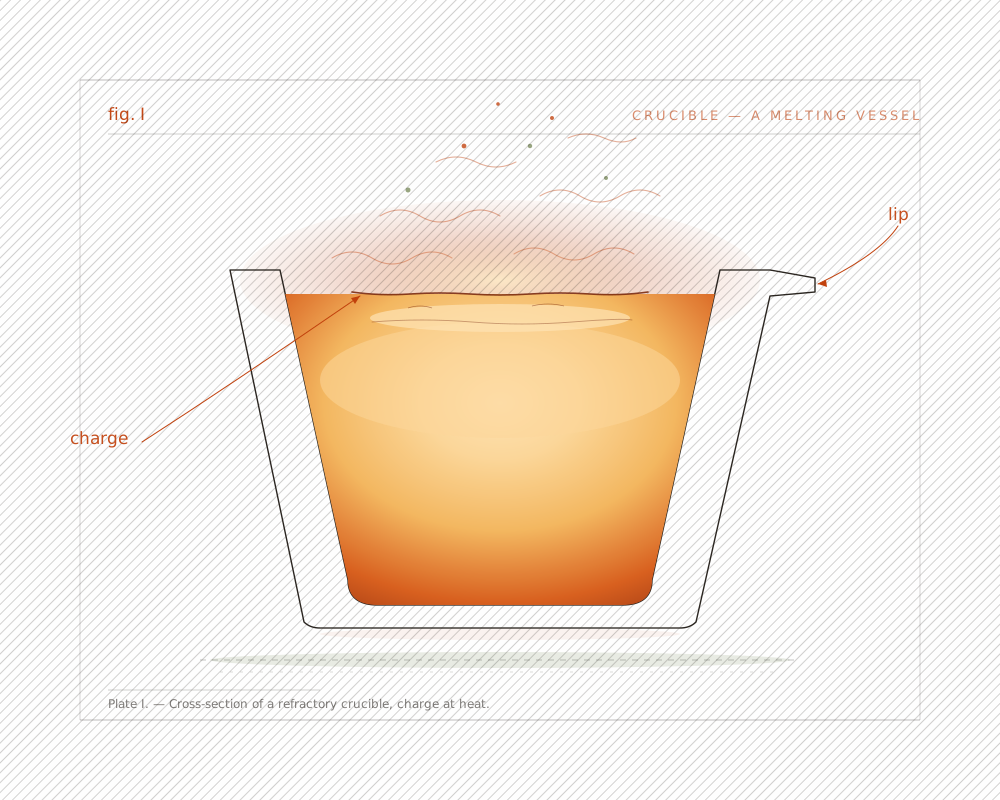
crucible · noun
- A vessel in which materials are subjected to extreme heat until they change.
- figurative — a severe test that forges the people who endure it.
- figurative — a melting pot where separate ideas and people fuse into something new.
Building a startup is all three.
The gap we're filling
Most startup writing is either too theoretical to apply, too breathless to trust, or too search-optimized to be worth reading. There is a gap in the middle — writing for founders who are actively doing the work and want considered, specific accounts from others doing the same.
That gap is where Crucible is trying to live.
What we publish
Six pillars, mapped to the work of building a company:
Product. Engineering, design, and the technical decisions that shape what you ship. Build-versus-buy, internal tools, and the tradeoffs founders make turning an idea into something real.
Growth. Launching, marketing, distribution, and sales. The unglamorous mechanics of getting a product in front of the people it is for.
Operations. Hiring, processes, and the daily work of running a team. The eighty percent of founder work nobody puts on a slide.
Money. Pricing, fundraising, revenue, and the legal and financial structures behind real companies.
Mindset. Focus, doubt, energy, and decision-making. The internal work behind building a company.
Founders. Profiles, interviews, and milestone stories from inside real startups — the people building them, and the journey itself.
Editorial principles
Five we try to hold to:
- Specific over general. "We changed our pricing from X to Y and revenue moved Z percent" beats "pricing is important."
- First-person is fine. Some of the best writing on building a company is someone plainly describing what they did. We encourage it.
- No buzzwords. "Synergy," "leverage," "10x," "game-changing" — all instant rejections.
- Useful, not viral. We would rather publish one essay five thousand founders read carefully than fifty takes that get shared once and forgotten.
- Slow takes welcome. Crucible publishes weekly, not daily. Some things are better written six months after the event.
Who runs Crucible
Crucible is an independent magazine covering the MENA startup region. Its articles are produced with AI assistance and editorial oversight.
Articles are published under a single editorial byline, Crucible Editorial. We publish under one name because the ideas matter more than the résumés attached to them. How we source, correct, and edit our work is set out in the masthead.
Writing for us
We accept pitches. The bar is high but not unreasonable. The best way to pitch:
- Read three articles already on the site.
- Write a 200-word outline of what you would want to write.
- Send it to info@readcrucible.com with the subject line "Pitch: [your topic]".
We respond to every pitch, usually within a week.
Saying hello
If you just want to say hello, email info@readcrucible.com. We read everything. We do not always reply quickly, but we read.
Crucible·The magazine for founders going through it.